

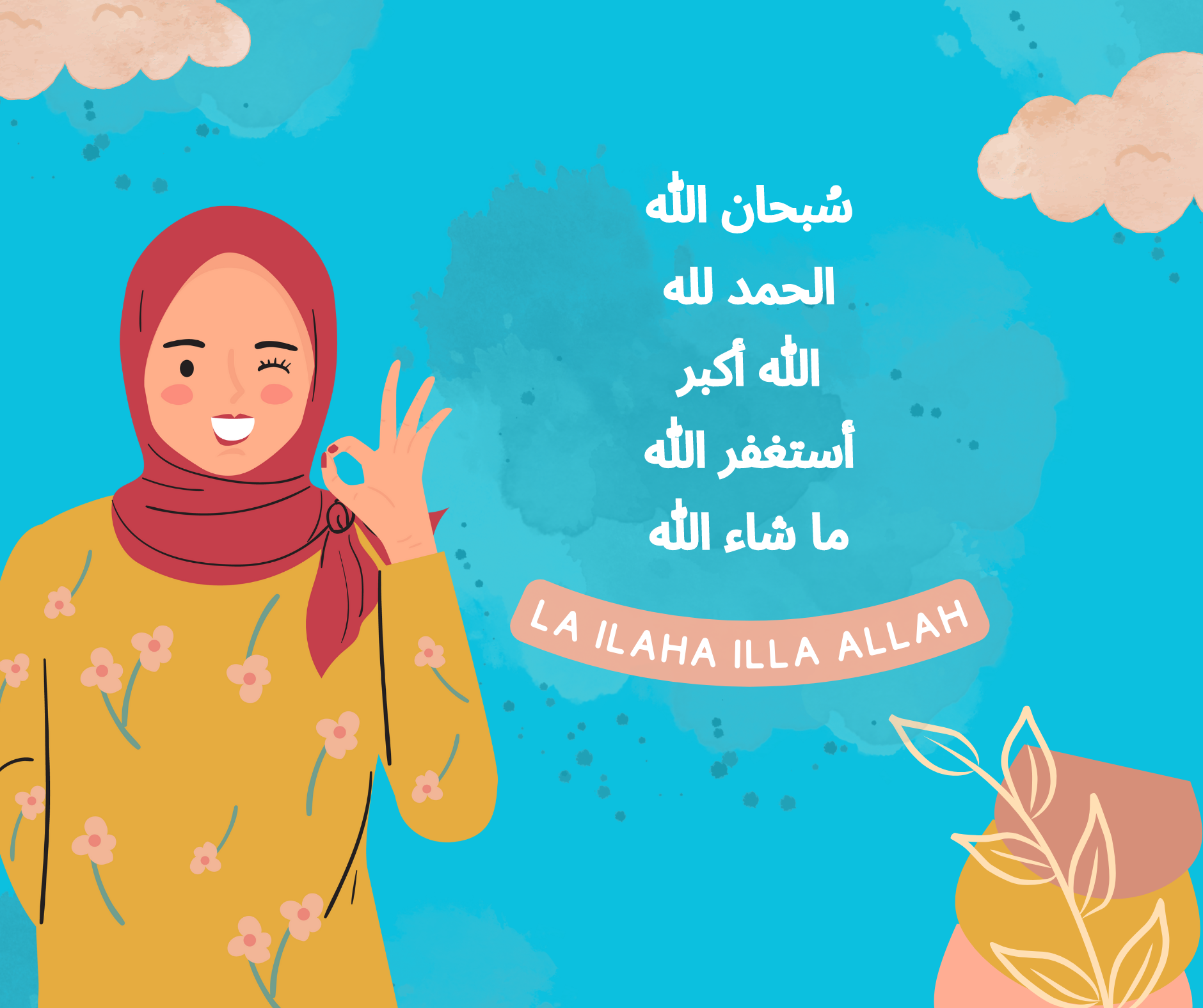
Exploring the Beauty of Islamic Expressions: Insights into Arabic Phrases
Introduction
Islamic culture is enriched with an array of phrases that hold deep spiritual and cultural significance. These phrases, often originating from the Arabic language, carry profound meanings that resonate with believers around the world. In this article, we'll delve into the beauty and meanings of some of these expressions, such as "Mashallah" and "Subhan Allah."
1. Mashallah: "God Has Willed It"
The phrase "Mashallah" is used to express appreciation, admiration, and acknowledgment of something good. It is often said when praising someone's achievements, talents, or blessings. By uttering "Mashallah," Muslims recognize that all goodness comes from the will of God, and they seek to protect the praised person from the evil eye.
2. Subhan Allah: "Glory Be to God"
"Subhan Allah" is an exclamation of awe and reverence. When faced with the wonders of creation or moments of amazement, Muslims use this phrase to acknowledge the greatness of God. It's a reminder that the universe and its intricacies are manifestations of divine power and wisdom.
3. Alhamdulillah: "Praise Be to God"
"Alhamdulillah" is an expression of gratitude. Muslims use this phrase to acknowledge and thank God for His blessings, both in times of joy and difficulties. It reflects the belief that everything, whether perceived as positive or challenging, comes from the divine will.
4. Insha'Allah: "God Willing"
When making plans for the future, Muslims often include the phrase "Insha'Allah" to signify that their intentions are subject to God's will. This humble expression recognizes the uncertainties of life and emphasizes reliance on God's guidance and decree.
5. Bismillah: "In the Name of God"
"Bismillah" is recited before undertaking any significant task or action. It serves as a reminder that God's name is invoked at the outset, seeking His blessings and guidance in the endeavor. It's a way of acknowledging the divine presence in everyday life.
6. Allahu Akbar: "God is the Greatest"
This phrase is often associated with the call to prayer (Adhan) and is used to express the transcendence and majesty of God. "Allahu Akbar" reminds believers of the greatness of God in comparison to all worldly matters.
7. Astaghfirullah: "I Seek Forgiveness from God"
"Astaghfirullah" is an expression of seeking forgiveness for one's sins. It is a way of acknowledging human imperfection and turning to God for mercy and forgiveness.
8. La ilaha ill Allah: "There is No God but Allah"
This fundamental phrase encapsulates the monotheistic belief in Islam. It asserts the oneness of God and is a cornerstone of the Islamic faith.
The Depth of Meaning
Each of these phrases carries a depth of meaning that extends beyond mere words. They encapsulate a way of life, a constant reminder of God's presence, and a connection to the broader Muslim community. Whether spoken in moments of joy, gratitude, or challenges, these expressions serve to strengthen faith and foster a sense of unity among believers.
Conclusion
In conclusion, the Islamic expressions borrowed from the Arabic language hold a special place in the hearts of believers. From expressing gratitude and seeking forgiveness to acknowledging God's greatness, these phrases encompass a wide range of emotions and beliefs. They serve as a testament to the beauty of Islamic culture, reminding us of the importance of mindfulness, humility, and devotion in our daily lives.